ERP modernization is one of the most consequential investments an organization can make. The right strategy can transform operations. The wrong approach can introduce years of unnecessary cost, complexity, and disruption.
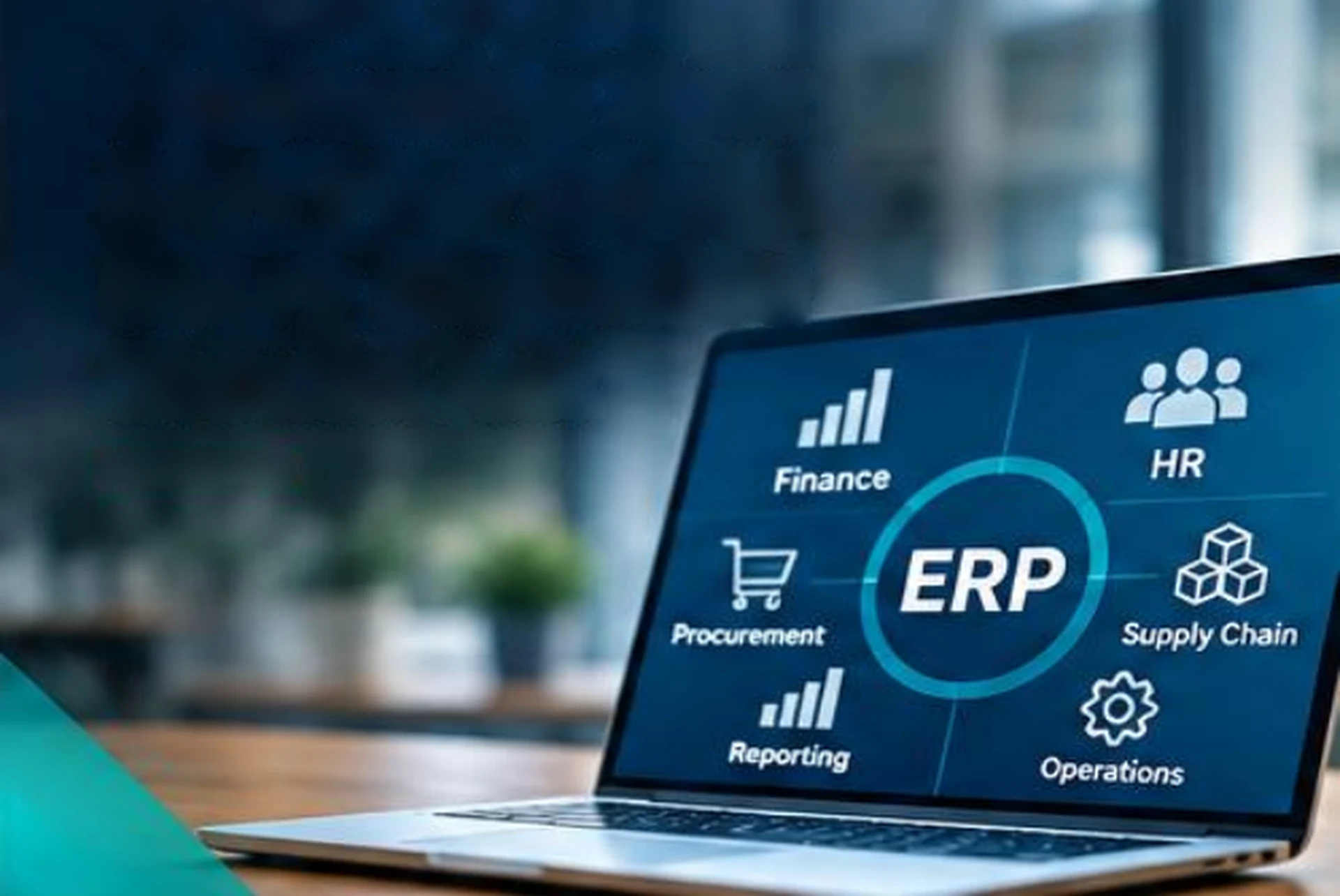
Enterprise Resource Planning (ERP) systems are the operational backbone of many organizations. They support critical functions such as finance, procurement, human resources, asset management, and reporting.
As business requirements evolve and technology advances, organizations face an important decision: continue optimizing their existing ERP environment, upgrade to a newer version, or transition to an entirely new platform.
While the decision may appear technology-driven, the implications extend far beyond IT. ERP modernization affects business processes, employees, financial controls, data, organizational performance, and ultimately the ability to deliver services effectively.
At BDM Squared, we believe the most successful modernization initiatives begin with informed business decisions—not software demonstrations or vendor proposals.
Before committing to a modernization strategy, executive leaders should consider five critical questions.
1. What Business Problems Are We Actually Trying to Solve?
The first question is also the most important.
Organizations often initiate ERP modernization because their existing system is aging, vendor support is changing, or a newer technology promises improved functionality.
These may be legitimate reasons to evaluate modernization, but they should not define the entire business case.
Executives should identify the specific outcomes they expect to achieve.
Are financial processes taking too long? Is reporting fragmented across departments? Are employees maintaining information outside the ERP? Are integrations unreliable? Does the organization lack the flexibility to support future growth?
Clearly defining these challenges establishes a foundation for evaluating solutions and measuring success.
The objective should never be simply to implement a new ERP. It should be to improve how the organization operates.
2. Are Our Business Processes Ready for Modernization?
An ERP implementation provides an opportunity to improve business processes, but those improvements rarely happen automatically.
If an organization carries inefficient workflows, inconsistent policies, and unnecessary customizations into a new system, many of the same challenges may remain.
Before modernization, organizations should assess their current processes and determine where standardization, simplification, and redesign are needed.
This includes evaluating:
- Financial and procurement workflows.
- Approval structures and internal controls.
- Data ownership and reporting requirements.
- Departmental handoffs and system dependencies.
- Existing customizations and manual workarounds.
- Opportunities to adopt standard ERP functionality.
A well-designed future-state operating model helps ensure technology decisions support business requirements rather than reinforce outdated practices.
3. Should We Optimize, Upgrade, or Replace?
Not every organization needs an entirely new ERP platform.
In some cases, existing technology may be capable of supporting business needs through better configuration, process improvements, integrations, or user training.
Other organizations may benefit from upgrading their current platform, while some require a comprehensive replacement.
Each option presents different considerations involving cost, risk, functionality, implementation complexity, and organizational readiness.
An independent assessment can help executives evaluate these alternatives objectively.
This is particularly important when organizations are receiving recommendations from software vendors or implementation partners whose commercial interests may favor a particular solution.
A structured options analysis should examine the total cost of ownership, business benefits, technical limitations, security requirements, and long-term sustainability of each approach.
The best ERP strategy is not necessarily the newest or most sophisticated technology. It is the solution that best supports the organization’s business objectives.
4. Do We Understand the Full Cost and Organizational Impact?
ERP modernization budgets frequently focus on software licensing and implementation services.
However, the complete investment extends well beyond those categories.
Organizations must also account for data cleansing and migration, integrations, business process redesign, testing, change management, employee training, internal staffing, and post-implementation stabilization.
There may also be costs associated with maintaining legacy systems during the transition.
Equally important is the impact on employees and business operations.
Modernization often changes how work is performed, how information is managed, and how decisions are made.
Without adequate preparation, even a technically successful implementation can struggle to achieve adoption and deliver expected benefits.
Executives should establish a realistic business case that considers both financial investment and organizational capacity.
5. Do We Have the Governance and Roadmap to Execute Successfully?
A clear modernization strategy is only the beginning.
Organizations also need a realistic implementation roadmap that defines priorities, dependencies, decision-making authority, resource requirements, and measurable milestones.
Governance should establish how scope, budget, risks, and critical decisions will be managed throughout the initiative.
Executive sponsorship must remain active, particularly when decisions affect multiple departments or require changes to established business practices.
This is not simply a theoretical concern.
In a July 2025 review, the U.S. Government Accountability Office identified 11 critical federal legacy systems in need of modernization. Only three had modernization plans that fully addressed the key planning practices evaluated by GAO.
The findings reinforce an important lesson: even organizations with significant technology resources can face substantial risk when modernization planning is incomplete.
A disciplined roadmap helps leadership make informed decisions, manage competing priorities, and maintain alignment between technology delivery and business outcomes.
Modernization Success Begins Before Implementation
ERP modernization should be approached as a business transformation initiative supported by technology—not a technology project that happens to affect the business.
Organizations that invest in upfront assessment, process optimization, options analysis, and implementation planning are better positioned to make confident decisions and manage risk.
The most valuable work often happens before a software vendor is selected or an implementation contract is signed.
The BDM Squared Perspective
BDM Squared helps organizations navigate complex ERP decisions with a business-first, vendor-independent approach.
Our advisory services support the modernization lifecycle, including current-state assessments, business process analysis, ERP strategy, business case development, procurement preparation, implementation roadmaps, and project governance.
We help executive teams understand their options, establish realistic priorities, and prepare for successful execution.
Because a successful ERP modernization isn’t measured simply by whether the new system goes live. It’s measured by whether the organization operates better because of it.
Considering an ERP Upgrade or Modernization?
Before committing to a technology investment, make sure your organization has a clear strategy and understands its options.
Schedule an introductory consultation with BDM Squared to discuss your ERP environment, modernization challenges, and next steps.
Reference: U.S. Government Accountability Office, Information Technology: Agencies Need to Plan for Modernizing Critical Decades-Old Legacy Systems, GAO-25-107795, July 2025.